
How Regional Banks Can Expand Ag Real Estate Lending Without Adding Risk
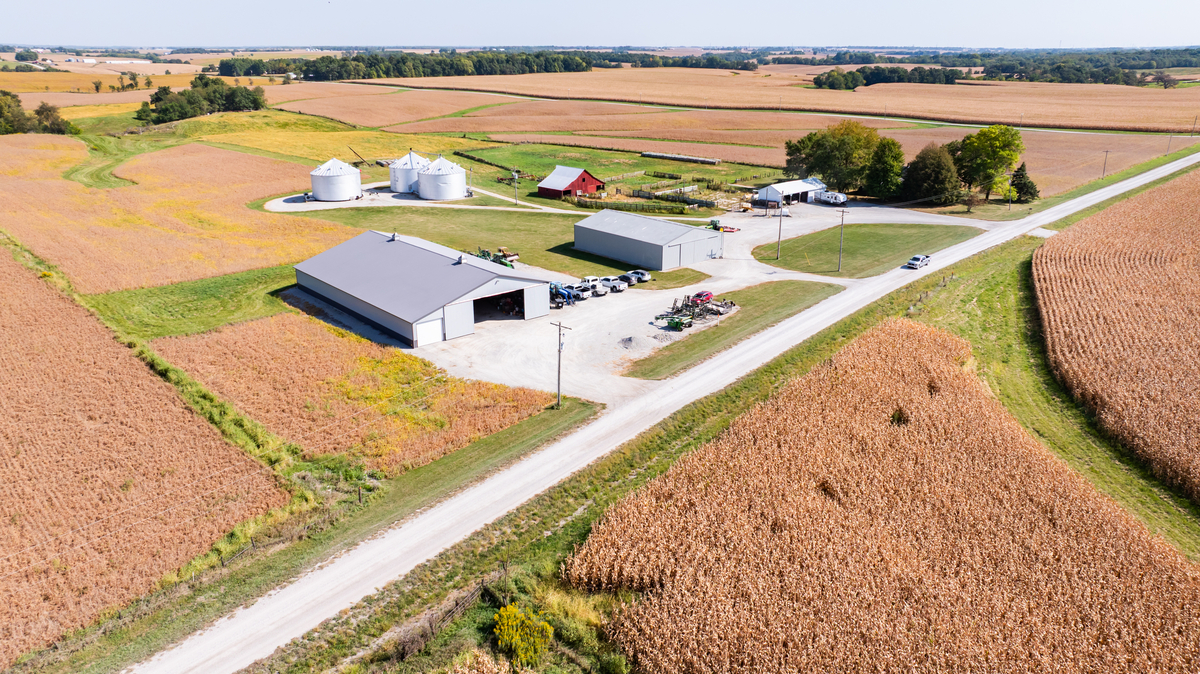
As agricultural real estate demand extends into 2026, community and regional banks are taking a more strategic look at how ag real estate lending fits within long-term portfolio goals. Farmland continues to hold value for borrowers, but for lenders, growth decisions must balance opportunity with concentration limits, liquidity considerations, and balance sheet flexibility.
Expanding agricultural real estate lending does not require banks to accept additional risk or move away from relationship-based lending. The institutions seeing the most success are growing with intention — improving operational efficiency, leveraging ag-specific secondary market partners, and structuring loans that support borrower affordability while strengthening portfolio stability.
With the right strategy and support, banks can grow ag real estate portfolios in a controlled, sustainable way while maintaining strong credit discipline.
How Operational Efficiency Supports Ag Real Estate Lending Growth
Operational efficiency plays a critical role in sustainable ag real estate portfolio growth. When lending teams are stretched or workflows rely heavily on manual processes, adding volume can strain internal resources and introduce operational risk.
More efficient lending processes allow banks to:
- Manage higher ag real estate loan volume without adding staff
- Improve consistency in underwriting and documentation
- Respond more quickly to borrower needs and market opportunities
Standardized applications, digital workflows, and scorecard-style underwriting for qualifying loans help reduce friction early in the process. Faster, more consistent decisions free up relationship managers and credit teams to focus on higher-value conversations rather than administrative tasks.
Efficiency is not just about speed. It creates the foundation for scalable, well-managed growth.
Using a Secondary Market Partner to Expand Ag Real Estate Lending
Even the most efficient banks eventually face balance sheet, liquidity, or concentration constraints. Secondary market ag real estate lending offers a practical way to continue growing without overextending internal limits.
By partnering with a secondary market lender like Agri-Access, banks can:
- Expand ag real estate lending capacity beyond internal thresholds
- Share risk while retaining borrower relationships
- Preserve liquidity and manage portfolio concentrations
Agri-Access specializes in agricultural real estate financing for farm and rural purposes — not consumer lending — and works as a behind-the-scenes partner. The bank remains the primary lender and trusted point of contact, while Agri-Access provides capital, ag-specific expertise, and flexible structures designed to support long-term growth.
This collaborative approach allows banks to confidently say yes to more qualified ag real estate opportunities without adding operational or balance sheet pressure.
For lenders, secondary market partnerships not only support portfolio growth, but can also improve faster ag loan closing time by reducing capacity and approval constraints.
How Long-Term Amortization Improves Borrower Affordability and Reduces Risk
Long-term amortization remains one of the most effective — and often underutilized — tools in ag real estate lending.
Extending amortization to 25 or 30 years can:
- Lower annual debt service requirements
- Improve borrower cash flow and resilience
- Strengthen long-term credit performance
For borrowers, lower payments improve affordability and flexibility across market cycles. For lenders, stronger cash flow coverage enhances credit quality and reduces default risk over the life of the loan.
Through secondary market partnerships, banks can offer long-term amortization and fixed-rate structures without increasing interest rate or duration exposure on their balance sheets. This allows extended terms to function as a strategic advantage rather than a risk.
Is Secondary Market Ag Real Estate Lending the Right Growth Strategy?
For many community and regional banks, secondary market participation has evolved from a capacity solution into a core growth strategy.
This approach is particularly well suited for banks that:
- Want to grow ag real estate portfolios without adding staff
- Are actively managing liquidity or concentration limits
- Value ag-specific expertise and flexible loan structures
- Want to retain borrower relationships while scaling
By combining efficient operations, secondary market support, and borrower-focused loan structures, banks gain the ability to expand ag real estate lending in a way that aligns market opportunity with internal risk tolerance.
A Strategic Path to Ag Real Estate Portfolio Growth
Ag real estate lending remains a meaningful opportunity for community and regional banks, but the strongest outcomes come from growth that is structured with purpose. Institutions that combine operational efficiency, capital flexibility, and ag-focused expertise do more than increase volume — they create durable portfolio options.
By leveraging secondary market financing and long-term amortization, banks can grow ag real estate portfolios while preserving liquidity, managing concentration risk, and strengthening borrower relationships.
If your bank is evaluating how ag real estate lending fits into its broader growth strategy, Agri-Access can help. Through secondary market financing and ag-specific expertise, Agri-Access supports lenders as a strategic partner.